
New Zealand’s telecommunications networks are evolving
Technology is constantly changing, and so are the networks that keep New Zealand connected. Older technologies are gradually being retired as newer, faster and more reliable alternatives become available.
These changes help improve network performance, support increasing demand for data, and make room for new services and innovations. While most people won’t notice these changes, some older phones, internet connections and connected devices may need to be upgraded to continue working.
This guide explains why technologies are changing, what it means for you, and where to find more information.
Why are older technologies being retired?
Telecommunications networks require ongoing investment and maintenance. As technology advances, older networks become less efficient, more expensive to operate and unable to support modern services.
Retiring legacy technologies allows providers to:
- improve network performance and reliability
- deliver faster internet speeds
- support growing demand for data
- introduce new technologies and services
- use available network resources more efficiently.
Most transitions happen over several years, giving customers time to prepare and upgrade if needed.
Legacy technologies
Several older telecommunications technologies have now been, or are being, retired across New Zealand.
3G mobile networks
New Zealand’s mobile providers have now retired their 3G mobile networks. The radio spectrum previously used for 3G is being repurposed to strengthen 4G and expand 5G services.
Most modern smartphones continue to work without issue, but some older mobile phones and connected devices—including medical alarms, security systems, vehicle trackers and other Internet of Things (IoT) devices—may no longer operate if they relied on 3G connectivity.
Copper lines
For many years, copper phone lines delivered home phone and broadband services throughout New Zealand. As fibre has become available across much of the country, copper services are gradually being withdrawn in areas where fibre offers a suitable replacement.
If your property is affected, your service provider will contact you well in advance and explain the options available.
PSTN (Public Switched Telephone Network)
The traditional Public Switched Telephone Network (PSTN) supported analogue landline telephone services for decades. These services are being replaced with modern digital voice services delivered over fibre, wireless broadband or other internet-based technologies.
If you use devices that rely on a traditional phone line—such as monitored alarms, medical alarms or EFTPOS terminals—you may need to confirm they are compatible with newer digital services.
Modern telecommunications technologies
New technologies offer faster speeds, greater reliability and improved performance for homes, businesses and connected devices.
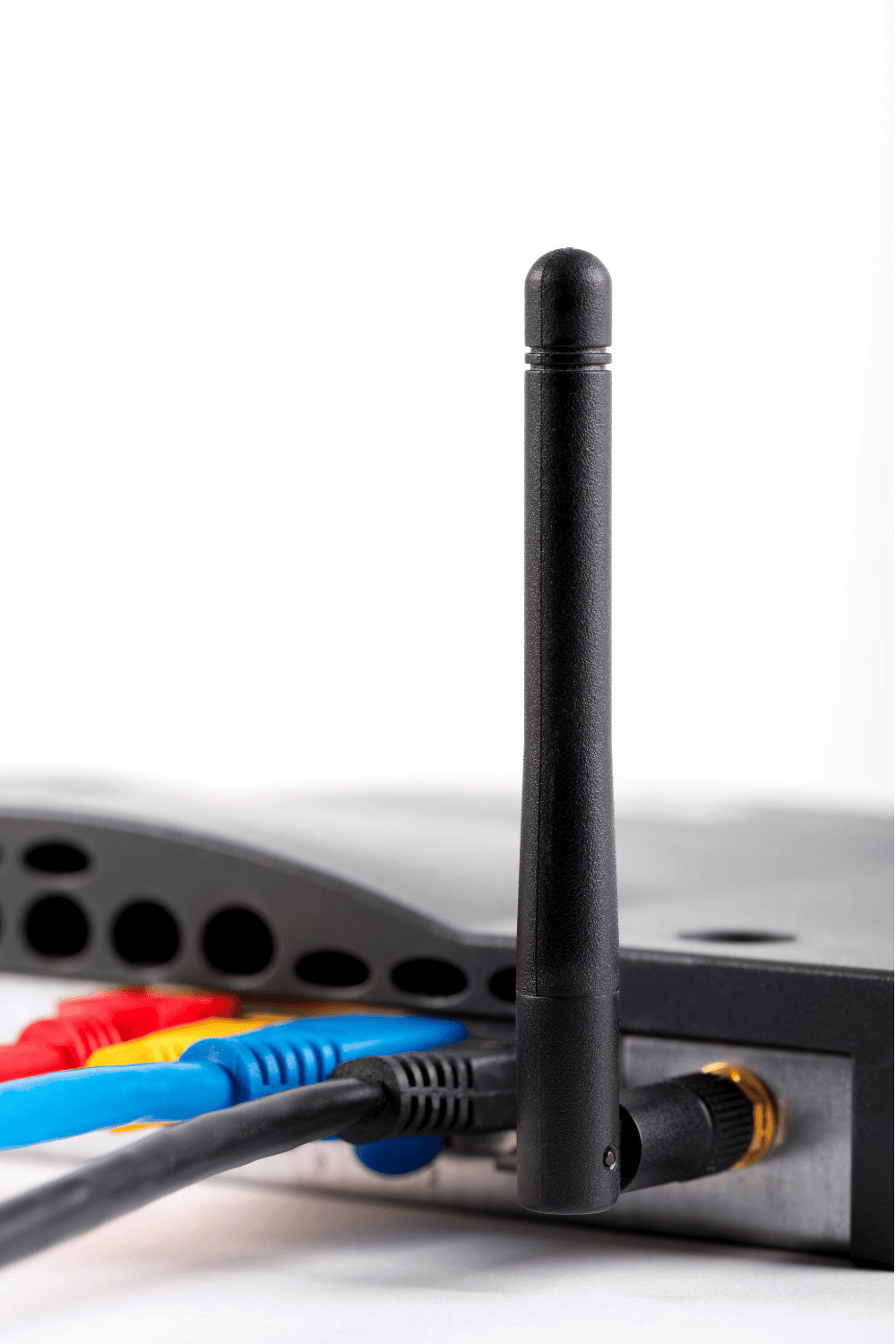
Fibre broadband
Fibre broadband uses fibre optic cables to deliver fast, reliable internet directly to homes and businesses.
Benefits include:
- fast upload and download speeds
- reliable performance
- better support for streaming, gaming and video calls
- capacity for multiple connected devices
- future-ready infrastructure
- reliable performance
Where fibre is available, it is commonly considered the preferred broadband option.
Wireless broadband
Wireless broadband connects your home to the internet using the 4G or 5G mobile network instead of a physical cable.
It can be a good option for households where fibre is unavailable or where a quick installation is preferred.
Benefits include:
- fast installation
- no landline required
- suitable for many everyday internet activities
- available in many parts of New Zealand.
Performance depends on factors such as network coverage, signal strength and the number of people using the network at any given time.

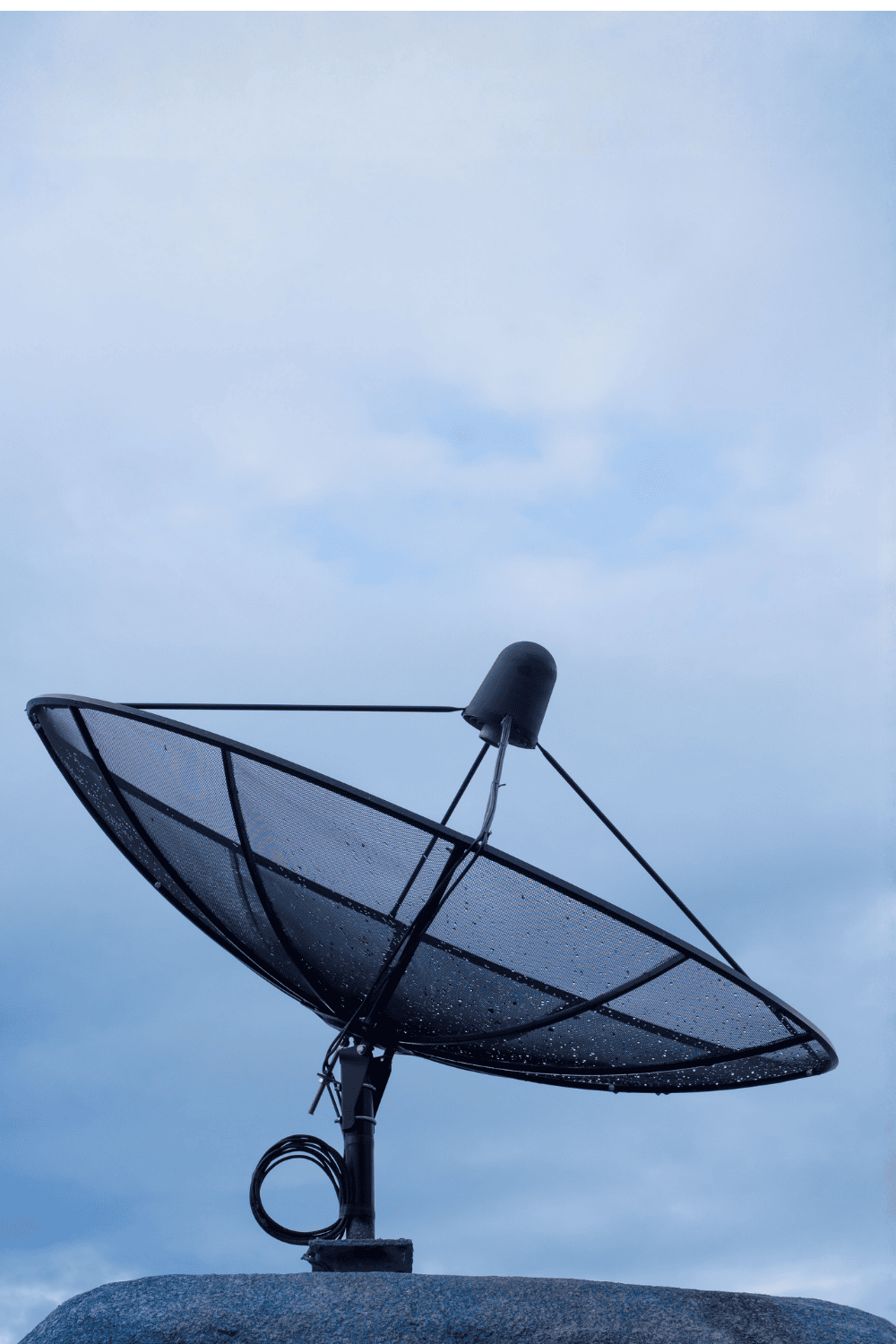
Satellite
Broadband is delivered via a satellite to a dish on or near the consumer’s home. It is particularly useful in remote locations where fixed or wireless broadband solutions are either unavailable or of poor quality.
Low Earth Orbit (LEO) satellite broadband is a newer form of satellite internet that uses satellites orbiting much closer to Earth than traditional satellite services. This is now being used by several New Zealand mobile providers also, expanding technology options further for consumers. Some customers are now using text message and apps like WhatsApp, Facebook Messenger, Google Maps, Plan My Walk, and more via satellite. Satellite is a great option for coverage in remote areas, and as a back up during emergency events that could cause disruption to ground based technologies.
This provides:
- lower latency
- faster speeds
- improved reliability
- connectivity in remote and rural locations where other broadband options may not be available
LEO satellite services are helping extend broadband access to homes, farms, businesses and communities across New Zealand that previously had limited connectivity options.
Which technology is right for you?
The best technology depends on where you live, how you use the internet and what services are available at your address.
In general:
Homes and businesses with fibre available, particularly those using multiple devices or high-bandwidth applications.
Homes without fibre, renters, or households looking for a quick and simple installation.
Rural and remote properties where fibre or reliable wireless broadband isn’t available.
Your provider can help you understand which services are available and recommend the most suitable option for your needs.
Preparing for technology changes
If your provider advises that a technology you currently use is being retired:
- read any information they send you
- check whether any connected devices, alarms or specialised equipment may be affected
- discuss replacement options with your provider
- allow enough time for any installation or equipment upgrades before the old service is switched off
Planning ahead can help ensure your services continue without interruption.
Learn more
For more information about specific technology transitions, visit: