For some it’s about being tough enough to deal with a stressful day at work (thanks, HR). For others it’s about well-being or mindfulness. But for a network provider, being resilient means being able to withstand major events, and to recover quickly when an event has taken you offline.
To understand what resilience is truly all about for a telco you have to look firstly at what makes up the network itself and then what kind of events might disrupt it.
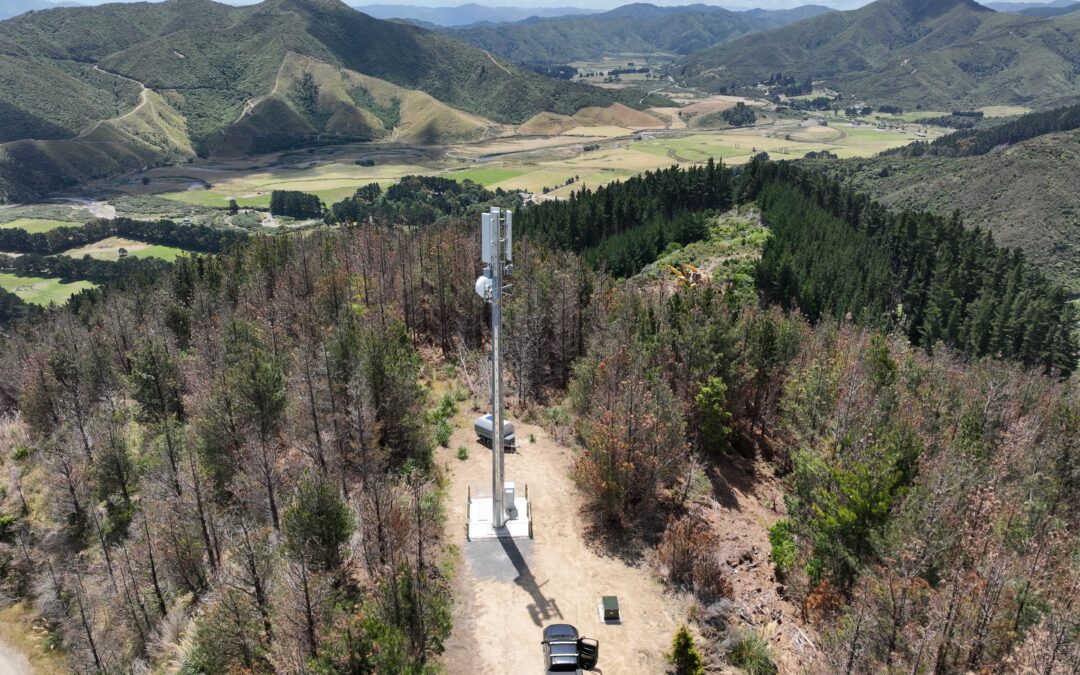
We’re fortunate in New Zealand to have four different technologies in our telecommunication networks. These are: mobile, fibre, fixed wireless and satellite.
Mobile networks are great for personal resilience because they’re not attached to a single point or location and they’re capable of connecting individuals using a variety of different services including voice, TXT, video calling, messaging apps, social media and even location services, in some situations.
Fibre is great for a different set of reasons. Fibre is incredibly fast, carries massive amounts of data, doesn’t get congested easily and as a relatively passive network is very easy to repair.
Fixed wireless networks are relatively new in New Zealand. The Wireless ISPs (WISPS) are hyper local providers who typically serve the communities the owners live in and are often the first boots on the ground after a weather event.
Finally, satellite services – in particular the Low Earth Orbit (LEO) services – are a great way to deploy improved connectivity without having to build a lot of physical infrastructure on the ground. Customers can connect to the satellite networks using a relatively simple dish or, increasingly, from their own mobile devices.
Each technology has its own strengths and its own weaknesses. Mobile doesn’t carry as much data as fibre, but fibre isn’t able to move around with the customer, and so on. By having four technologies, however, we have built up a layered approach to resilience – a Swiss-cheese model of resilience where the weak points in each technology don’t line up and we can avoid an all-network outage.
All telecommunications rely on power. The exchange, the cabinet or tower, and the user’s device all need to have power to operate, so making sure electricity is available is a key part of our resilience story. If the mains fails, we use batteries to keep the connection alive for a very short period of time, typically a few hours, while we deploy generators. Telecommunication sites require huge amounts of power, so batteries would have to be quite large to keep a site running for days and that introduces its own risks, so for longer outages we use generators.
So how do we handle different kinds of events.
Cyclone Gabrielle took out power and telecommunications across the Hawke’s Bay and beyond, but in all that weather only a couple of cellphone towers were actually damaged. The outages occurred because excess forestry slash slid into rivers and destroyed the region’s bridges, taking out roads, electricity and fibre links in the process. Alternate power supplies and backhaul paths were the primary means for restoration during that event.
But what about a pandemic? Covid saw New Zealand lock down for several weeks and yet the economy was able to keep going in no small part because we could work from home. In a pandemic, batteries don’t matter – it’s all about how much data can you handle and fibre saved the day.
What happens in the case of a volcano? Volcanoes will cause a lot of damage to the local area but probably won’t disrupt the rest of the country too much – unless it’s either inconveniently located (such as Rangitoto in Auckland) or particularly large (Tarawera, Ruapehu) and even then the impact is manageable. Fibre, fixed wireless and mobile will work as before but LEO satellite may struggle as the ash cloud blocks the sky.
Earthquakes are, of course, the one thing New Zealand should stay well aware of. The Alpine Fault is overdue and will cause extensive damage to all four telecommunication networks, although LEO satellites will be able to connect via alternate earth stations. We may lose international submarine capability although these days we have multiple providers so we hope that won’t occur.
Different scenarios require different kinds of resilience, whether its alternative backhaul connections, alternative power sources or multiple pathways to connect. New Zealand is well served with the technologies we have on offer but for the people of New Zealand being able to operate without any telecommunications at all for a period of time will be the ultimate form of resilience.
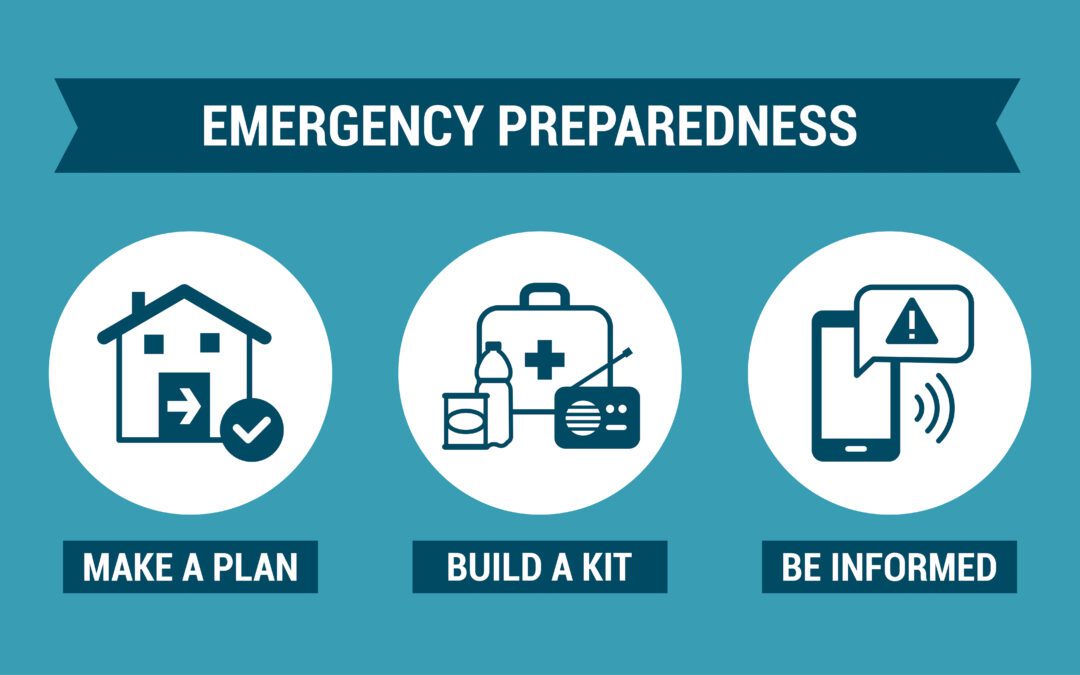
Learn more about what you can do to be prepared before and during an emergency event on our webpage here, or download the free factsheet here.