It’s that time of year again. The Emergency Message Alert is about to rock your world whether you’re ready or not.
This is a good thing because the EMA is a key piece of the civil defence puzzle. It’s not a text message, or a marketing message you can opt out of. It’s a way Civil Defence and Emergency Management (CDEM) can communicate with as large a group of people as possible to share vital information during a time of emergency.
But it is annoying, I’ll give you that. It’s designed that way so you don’t ignore it because when it says “evacuate now” it really means it.
I always get lots of questions when an alert is sent. Why do I get it but not my sister? Why can’t I opt out? Why does it arrive for my wife before me? I’ll attempt to talk you through some of these points here.
EMAs are sent out to specific areas. If you’re in Christchurch you’re not going to get an alert about a cyclone hitting Northland. Don’t feel left out (looking at you, Hamilton) because not getting an alert means you’re probably OK. So if you get one it’s because you’re in an area that’s at risk.
No, the telcos don’t send the alerts – NEMA and local Civil Defence groups look after the EMA system on the basis that you want to warn people at a local level so local CDEM groups should make that call. It reduces the time taken from deciding to issue an alert to it arriving on people’s phones, and that’s a really good thing.
You can’t opt out because these alerts are so important the CDEM groups and government want you to get them regardless. When states of emergency are declared it gives local governments the power to compel people to evacuate an area (among other powers) and part of that is ensuring you get the message to go. So it’s not optional.
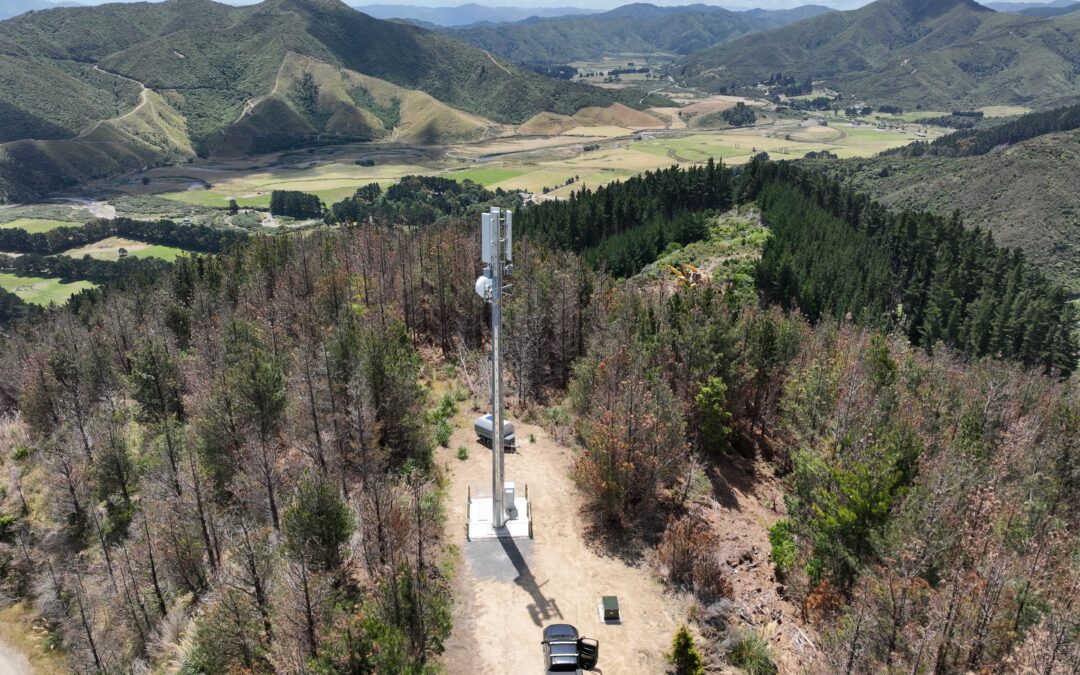
It’s always amusing in my household when I, the telco guy, get the test alert last. Clearly I am the expendable one, they all chortle. Well yes, that might well be true but it’s also just an artifact of having to send hundreds of thousands of messages out – they get sent in batches to spread the load on the networks. If you are missed out it could be because your phone is off, or on flight mode or your phone is connected to a different cell tower to the rest of the family. It’s a common belief that phones all connect to the nearest tower – if that’s full your phone will look elsewhere for a connection. They’re quite smart like that.
And some of you may receive the alert several times. That’s for a similar reason – you might be on the move or your phone might be connecting to a new tower in the middle of the transmission, meaning you’ll get the message again. Just think of it as meaning you’re extra special and we really want you to be safe.
And the reason for the test is simple – not everyone receives a live alert each year and we want to troubleshoot any problems that might occur. Software is a complex beast and an obscure update might change the way EMAs work on your phone: we like to know about that ahead of any emergency use of the system.
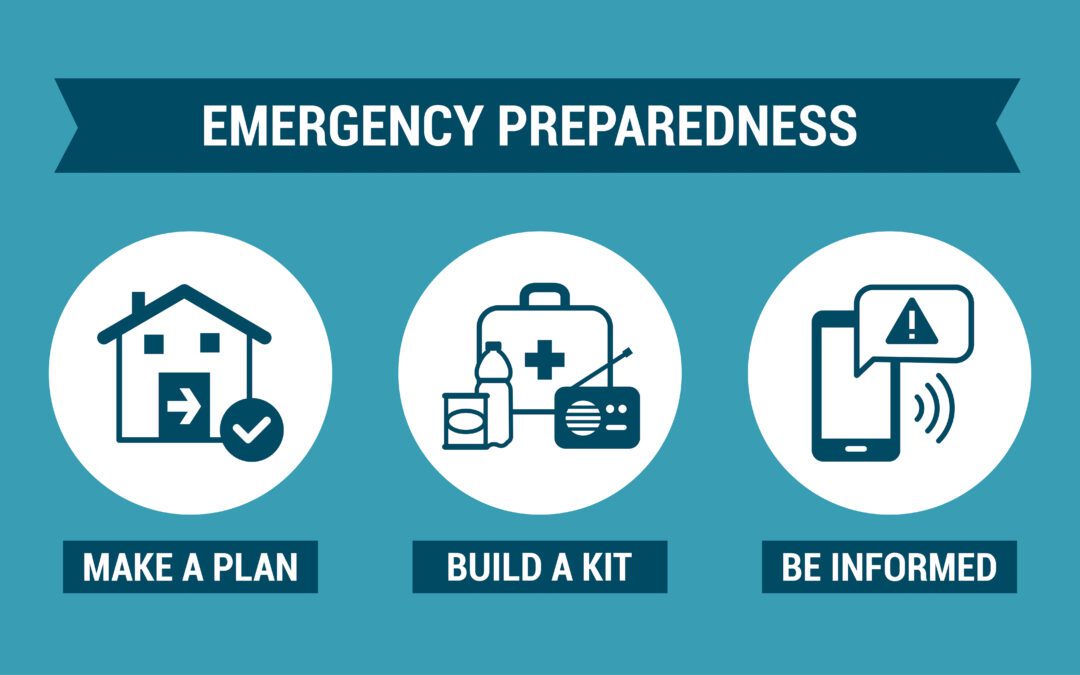
Australia is only now testing their system prior to its launch, but we’ve been using it for a few years now and it works really well, but it’s not foolproof. New Zealand is an inherently risky country to live in and if something happens, whether it be an earthquake, tsunami, weather event or anything else, and you feel you should evacuate then go. Don’t wait for the EMA to arrive, follow your own plan and get out to safety as quickly as you can.
If you want to know more about EMA or the work of NEMA and the Civil Defence groups, or if you want support putting together your own safety plan, then check out the Get Ready website (getready.govt.nz). That way we can all stay safe.
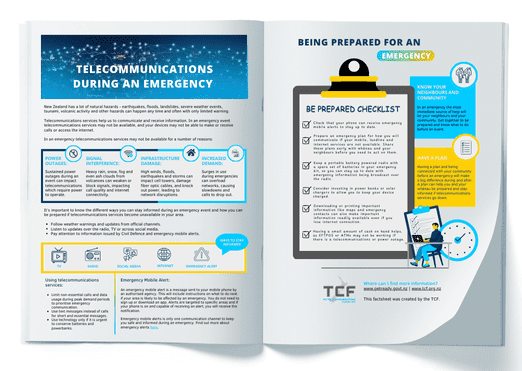
Check out the TCF Factsheet for more tips on how to make sure you’re prepared.