So far this year we’ve activated the Telecommunications Emergency Forum seven times and one of these – our response to the ongoing fuel crisis – remains active today.
Most of these are weather related, but in the past we’ve activated for cyber-security issues, for space weather issues and of course for natural disasters including earthquakes, tsunami and slips. We stand ready to respond to a volcanic event too, should the need arise.
The TEF’s role is straightforward enough. We coordinate the response of the country’s telecommunications sector so we get connectivity back up and running as quickly as possible. We work alongside NEMA (the national response agency) and local Civil Defence groups to ensure affected regions know what work is required to stand up communications. We update the government through the Minister of Communications and keep the public informed as well.
We also work closely with other lifeline utility groups, in particular electricity, transport and fuel. Each of us relies on the others to keep our networks operational and to speed up restoration, so it’s important we have good coordination and plans in place for major events.
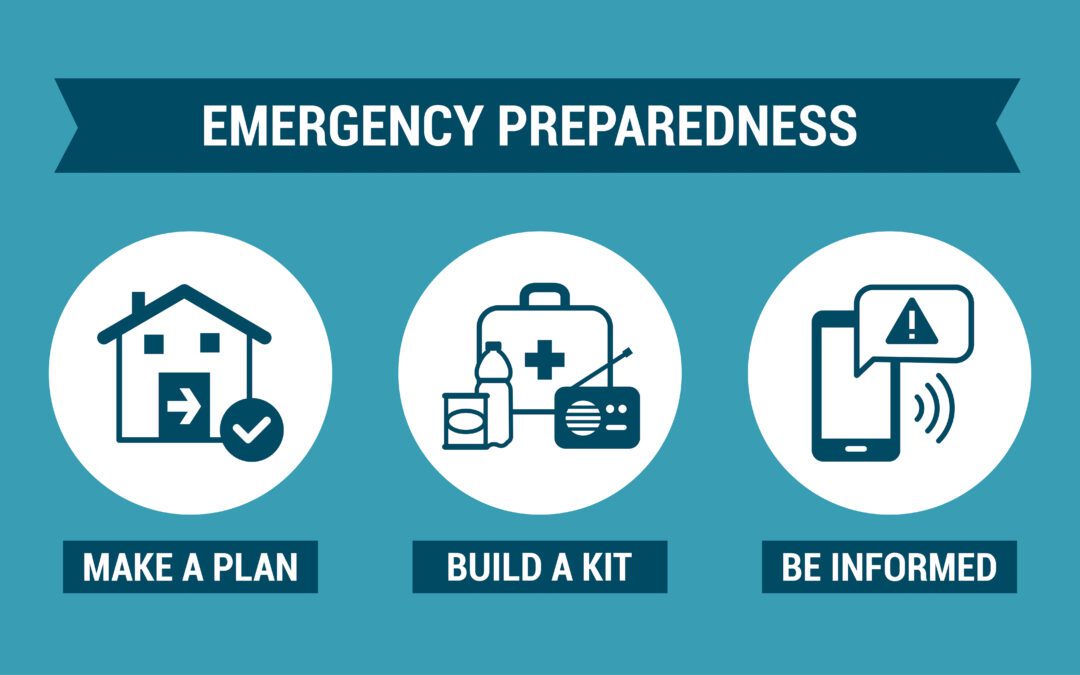
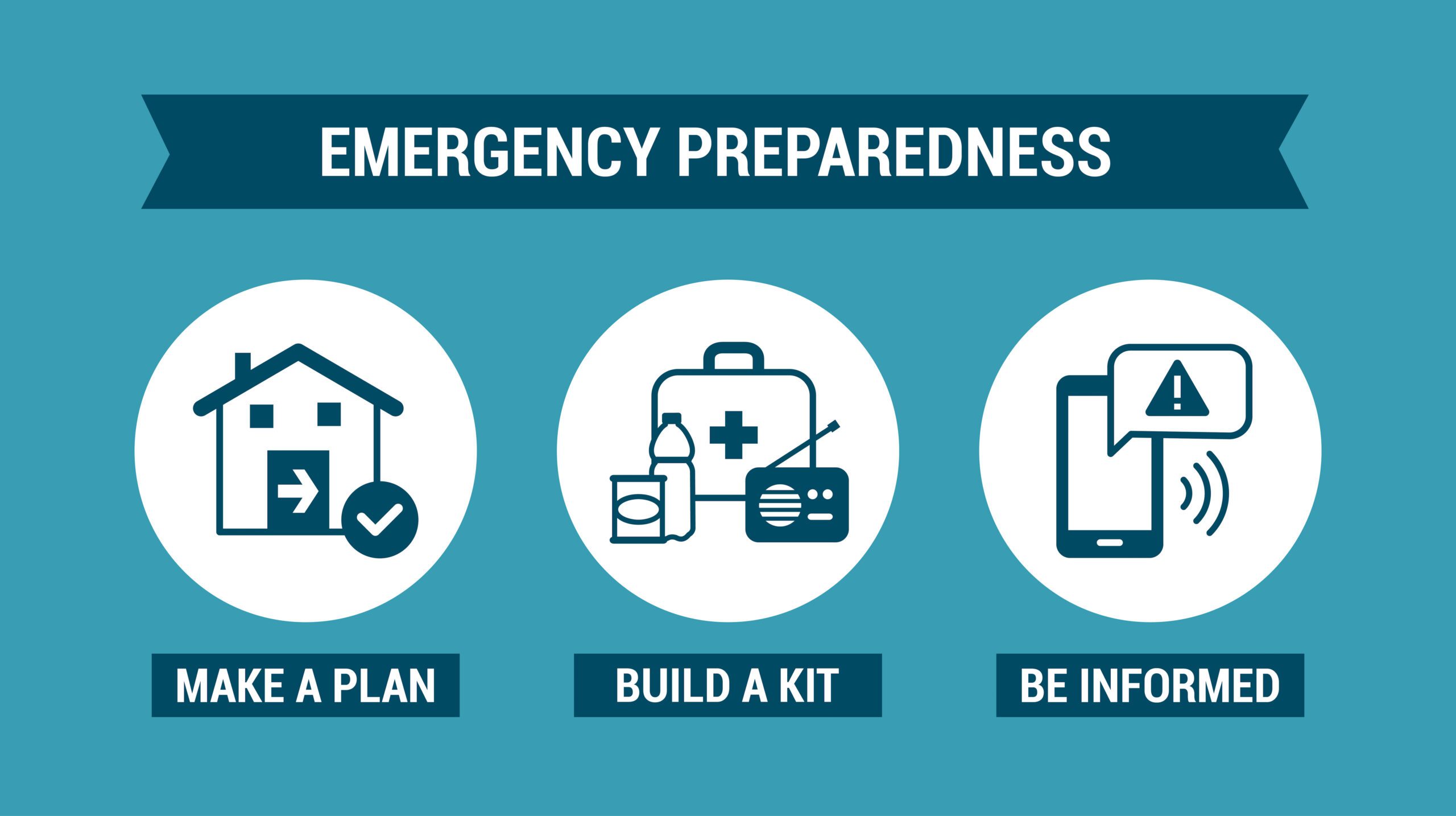
Having a plan is key to all of this. We get organised during “peace time” so when we are activated we know what to do and who to talk to, and this holds true for communities, families and individuals as well. Making a plan gives you a much better chance for success whenever anything major does affect your ability to communicate, so we have developed a factsheet “Communications During An Emergency” to help you develop a plan that suits you.
While everyone will have a different solution to the problem of staying connected during a major event, there are a few tricks we’ve picked up over the past few years that may be of use to you.
Batteries
Make sure you’ve got a back-up power source for your telecommunications gear. Whether that’s a portable power bank, a generator or even the family car, make sure you can connect your devices to a power source when the mains power goes down.
Write down your plan
Having everything stored in the cloud is fine, but if you can’t connect to it, you can’t use it. Keep a paper copy of key information like contact numbers, addresses and things you might need in an emergency situation. Make sure you update this regularly and that you keep family members updated as well.
Staying in touch during a crisis
New Zealand is inherently risky and while recently we’ve been focused on weather events, we can’t forget that we live in the Shaky Isles. An earthquake could take out power and telecommunications for weeks and intermittent outages may last longer. Keep family updated by recording a new voicemail message with your location and situation – anyone who calls you will hear that, even if your phone is offline.
Likewise, instead of calling or using messaging apps, send TXT messages. This mechanism uses very little power and TXTs often get through when all other channels are overloaded.
At the other end of the scale, while social media has a lot of downsides one thing it is very good at is sharing information with a group of people with a single message. Update your profile to let visitors to your account know you’re OK or that you’re moving to a new location. This works well if you’re caught up in an event while travelling – news is often patchy and non-specific so making sure family know you’re OK or no longer in the area of concern is key.
Plan the work, and then in an event you have to work the plan. Don’t just treat it as a document you keep on a shelf somewhere – take it out and use it during an event. Given the number of weather events we’ve had this year so far you’ll get a chance to practice it sooner than any of us would like. Weather events are more frequent and have greater impact than we’ve seen in the past and being prepared is key to coming through as best you can.